






16 March 2026
This Week’s Cost Intelligence
We developed the Stonehaven Cost Index (SCI) to give project teams a clear, dependable snapshot of how construction costs are moving week by week.
This GCC construction cost index continues to highlight shifting construction material prices, FX movements, and freight trends impacting project costs across the UAE and Saudi Arabia. This week’s update (06 March 2026) reflects ongoing volatility in global supply chains, rising alongside fluctuating logistics costs and currency pressures.
For developers, contractors, and cost managers, the Stonehaven Cost Index provides a view of construction cost trends in the Middle East, helping project teams make informed decisions in an increasingly volatile market.
Key Takeaways For Your Projects This Week
-
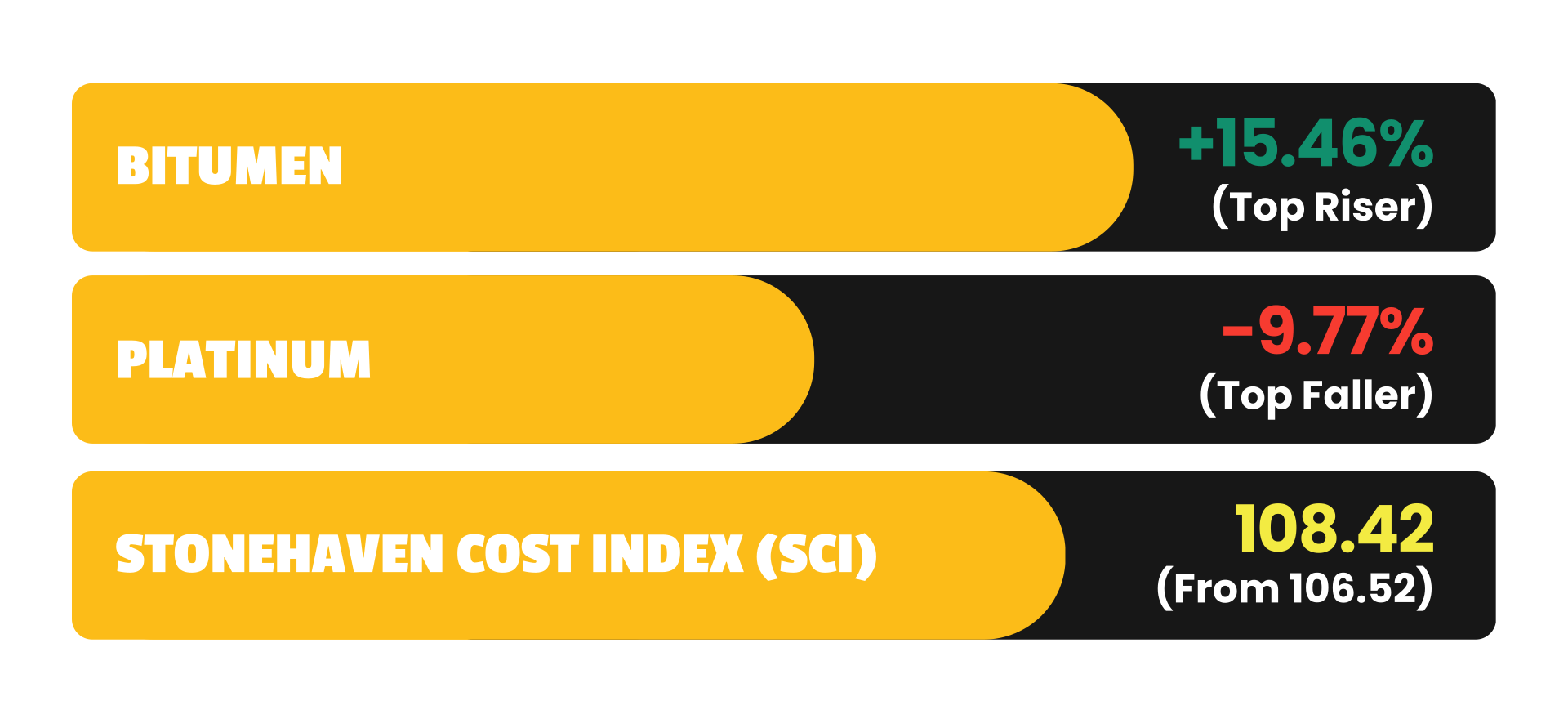
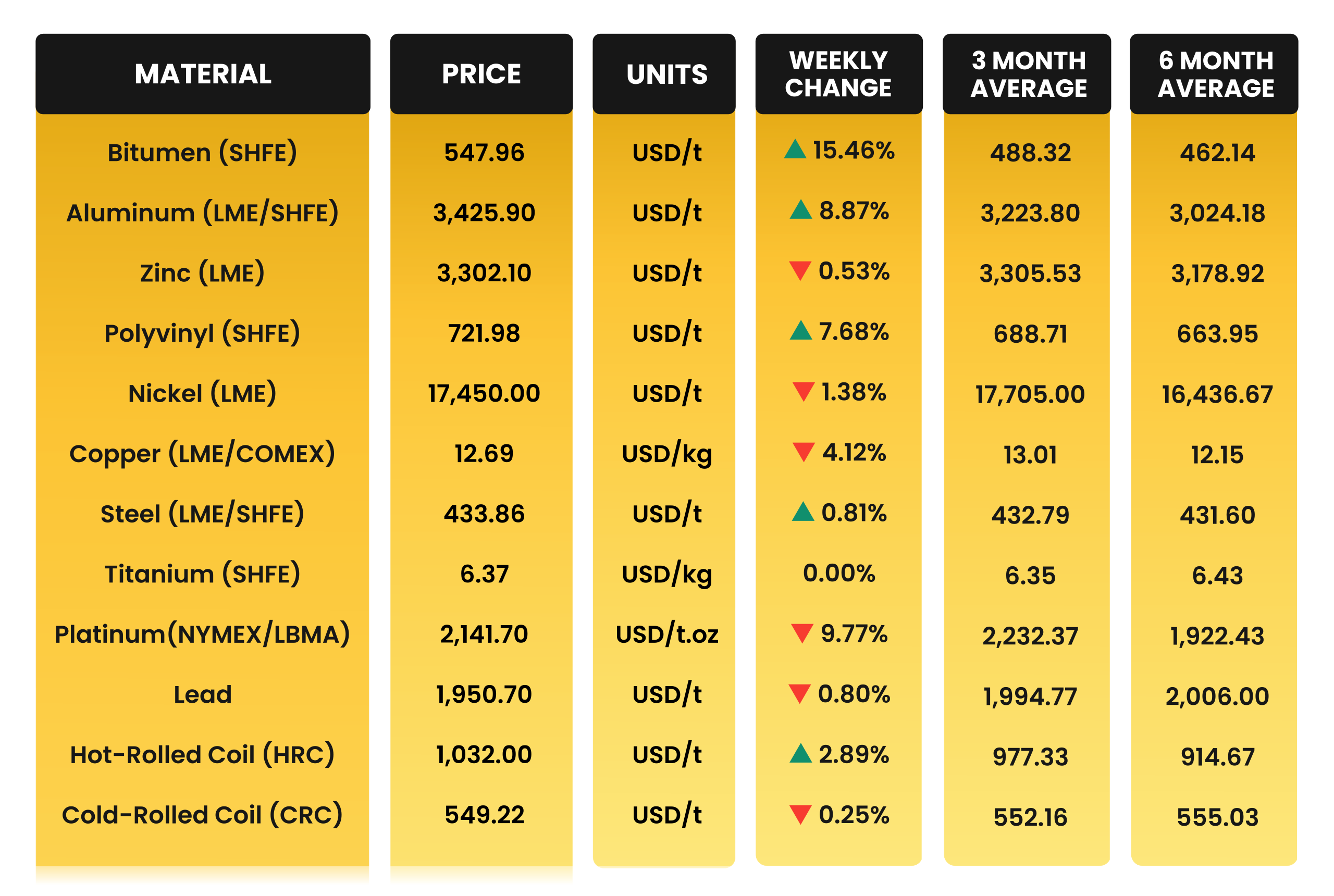
Bitumen – This week’s biggest riser (+15.46%)
A sharp increase linked to higher energy and crude-related costs. This could begin to impact infrastructure, asphalt works, waterproofing systems and roofing packages if the trend continues. -
Platinum – This week’s biggest faller (–9.77%)
A significant correction in precious metals markets. While direct construction exposure is limited, such volatility can signal broader shifts across global commodities. -
Cold-Rolled Coil (CRC) & Titanium – Largely stable this week
Both materials remained within a narrow range (±0.5%), supporting short-term cost predictability for fabricated steel components and metal finishing packages.
This Week's Market Movers
Material Movement This Week
*Rates as of 06th March 2026
Material of the Week
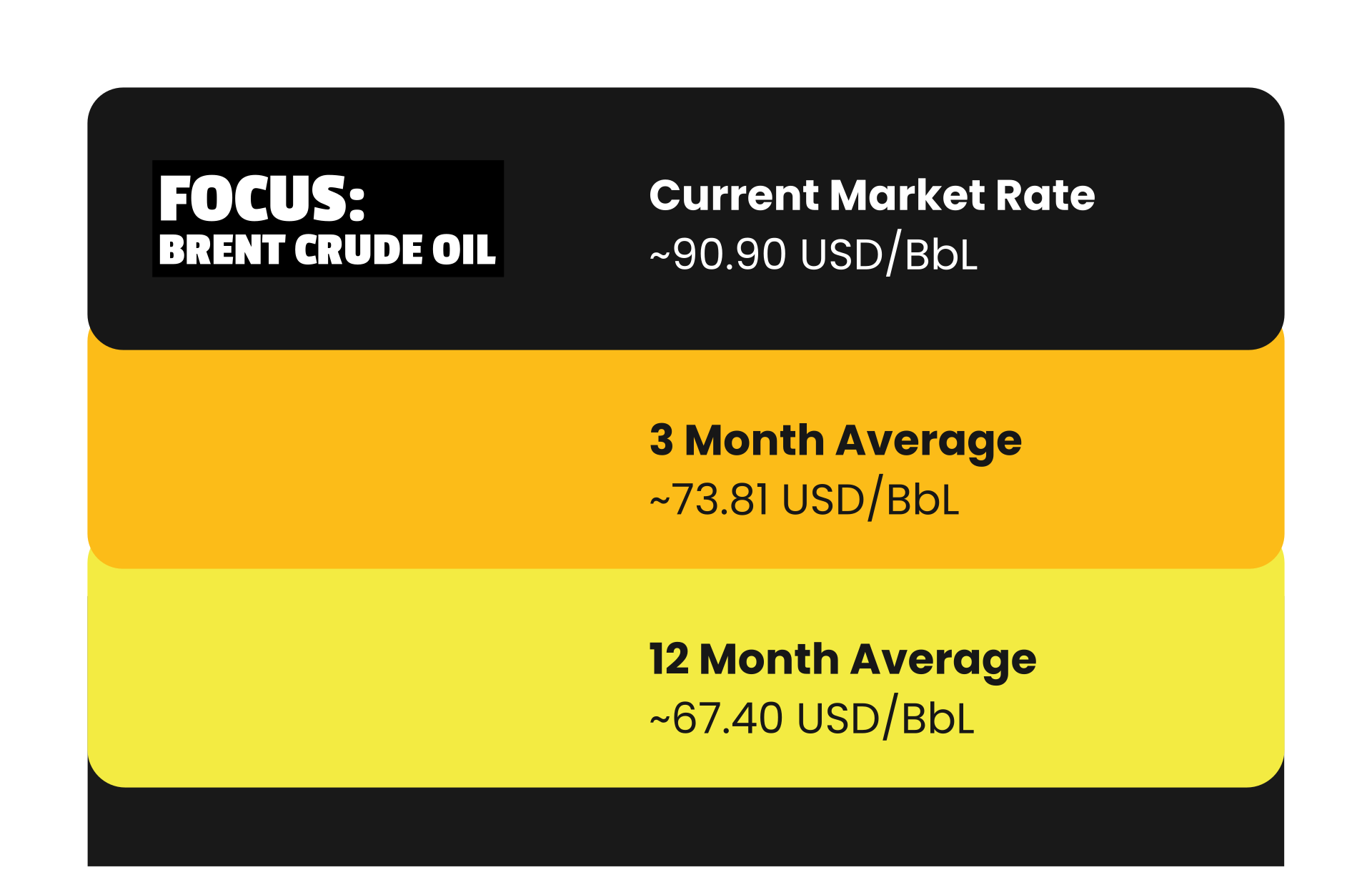
*Rates as of 06th March 2026
Material Of The Week (Yearly Price Fluctuation)
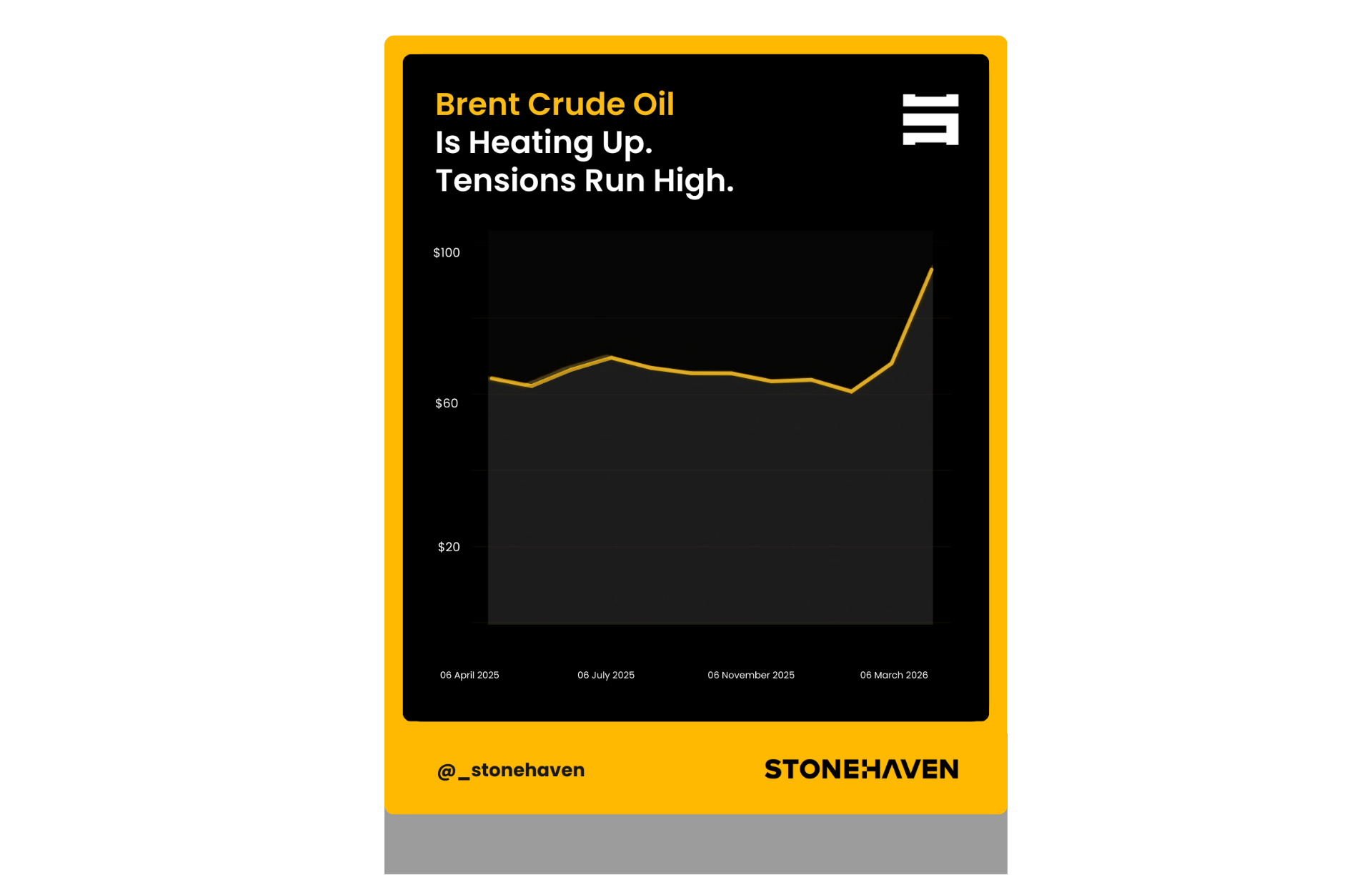
*Rates as of 06th March 2025 - 06th March 2026
To view the price fluctuations in detail, please download our latest dataset below.
Stonehaven Cost Index (SCI)
Index baseline (01 September 2025) = 100
Current SCI: 108.42 (increase from 106.52 on 27th Feb)
WoW change: ▲1.78%
Change from baseline: ▲8.42%
Driver Note

The Stonehaven Cost Index (SCI) has increased to 108.42, compared to 106.52 recorded on 27 February, reflecting a week-on-week increase of 1.78%.
Since the baseline date of 01 September 2025, the index has risen by 8.42%, indicating a continued upward trend in construction costs. The increase this week is primarily linked to higher energy-related inputs, firmer bulk freight rates, and selective movement in key traded materials, while several metals remain stable.
Recent geopolitical tensions in the Middle East have contributed to increased volatility in energy markets and freight routes, adding upward pressure on fuel-related costs and logistics, which has influenced the index movement during the current period. Overall construction cost pressure remains material-specific rather than broad-based.
Currency & Inflation Lens
AED vs Key Trading Currencies
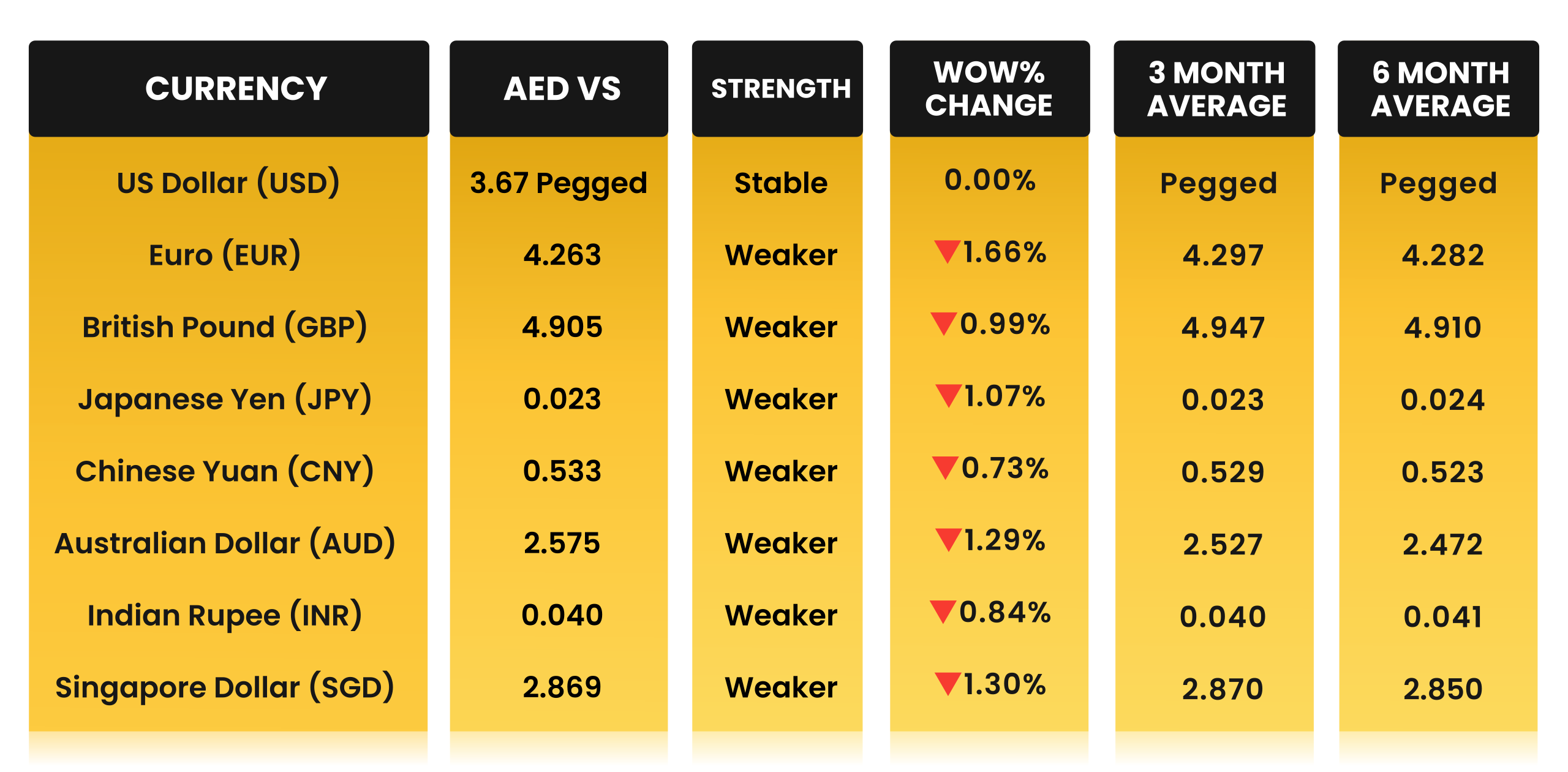
*Rates as of 06th March 2026
SAR vs Key Trading Currencies
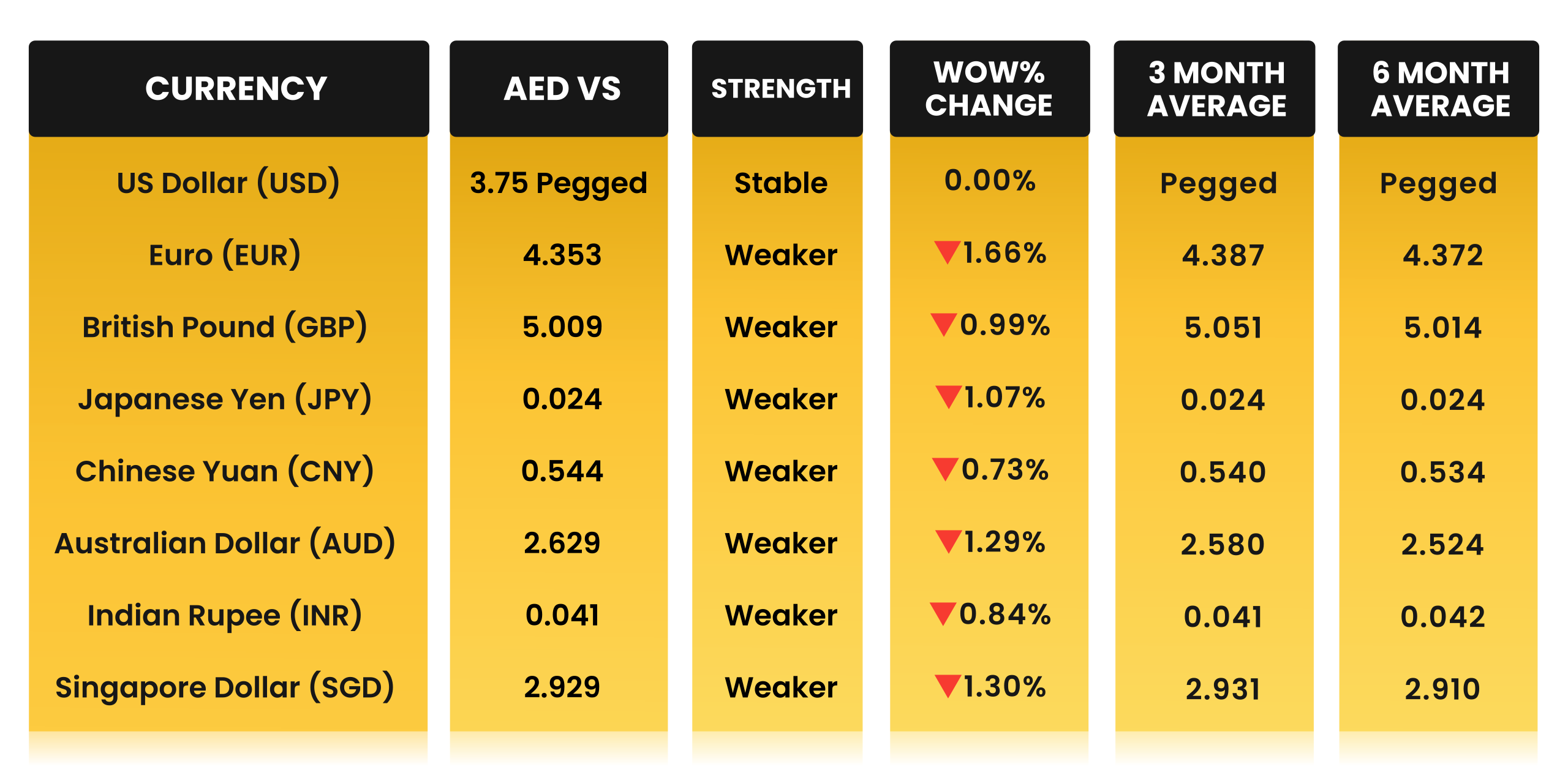
*Rates as of 06th March 2026
Stonehaven Analysis
During the current period, both AED and SAR have shown a generally weaker trend against most major international trading currencies, particularly against European and Asian currencies, while the Australian Dollar has also weakened, providing no meaningful offset to the overall currency pressure.
This movement indicates continued pressure on GCC import dependent markets, as a large portion of construction materials, equipment, and specialist systems are sourced from overseas.
Global Inputs & Freight Benchmarks
Logistics & Freight – Construction Cost Multipliers
*Rates as of 06th March 2026
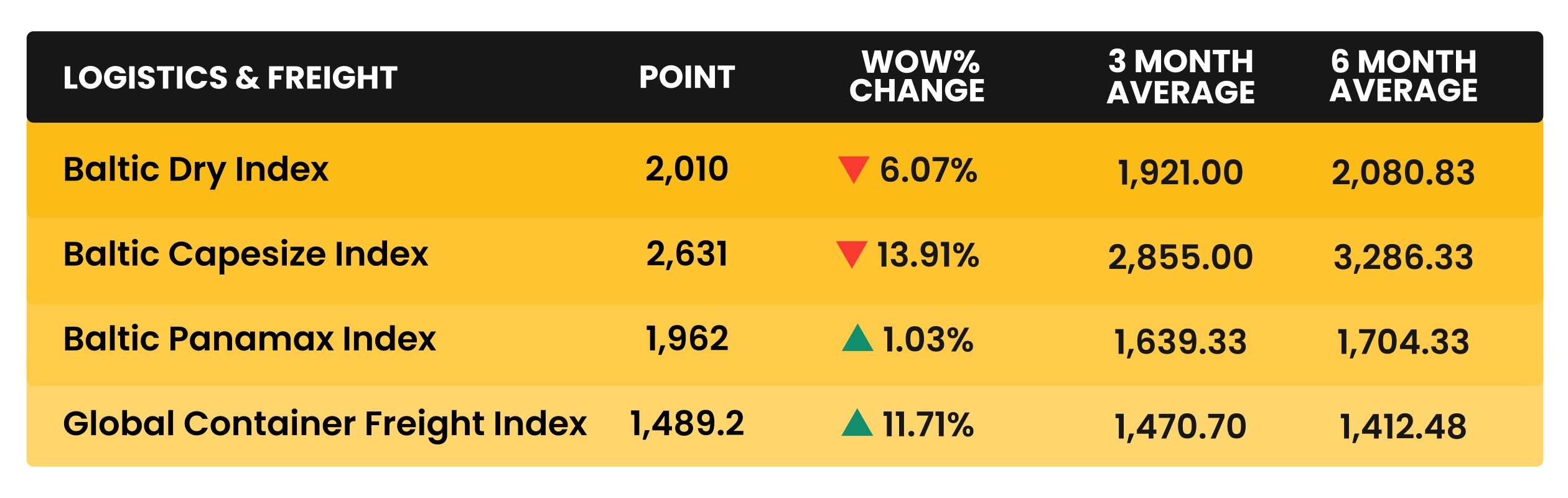
Freight indicators showed mixed movement this week, with the Baltic Dry Index falling by 6.07% due to a sharp decline in Capesize rates, while Panamax remained broadly stable.
In contrast, the Global Container Freight Index increased by 11.71%, reflecting higher fuel costs, route adjustments, and continued disruption across key shipping corridors.
Ongoing geopolitical tensions in the Middle East have contributed to precautionary rerouting, higher insurance premiums, and increased fuel-related expenses, particularly affecting Asia - Europe and Asia - Middle East trade routes.
These conditions have placed upward pressure on logistics costs, which may continue to influence construction material prices across GCC markets.
Market Forecast & Watchlist
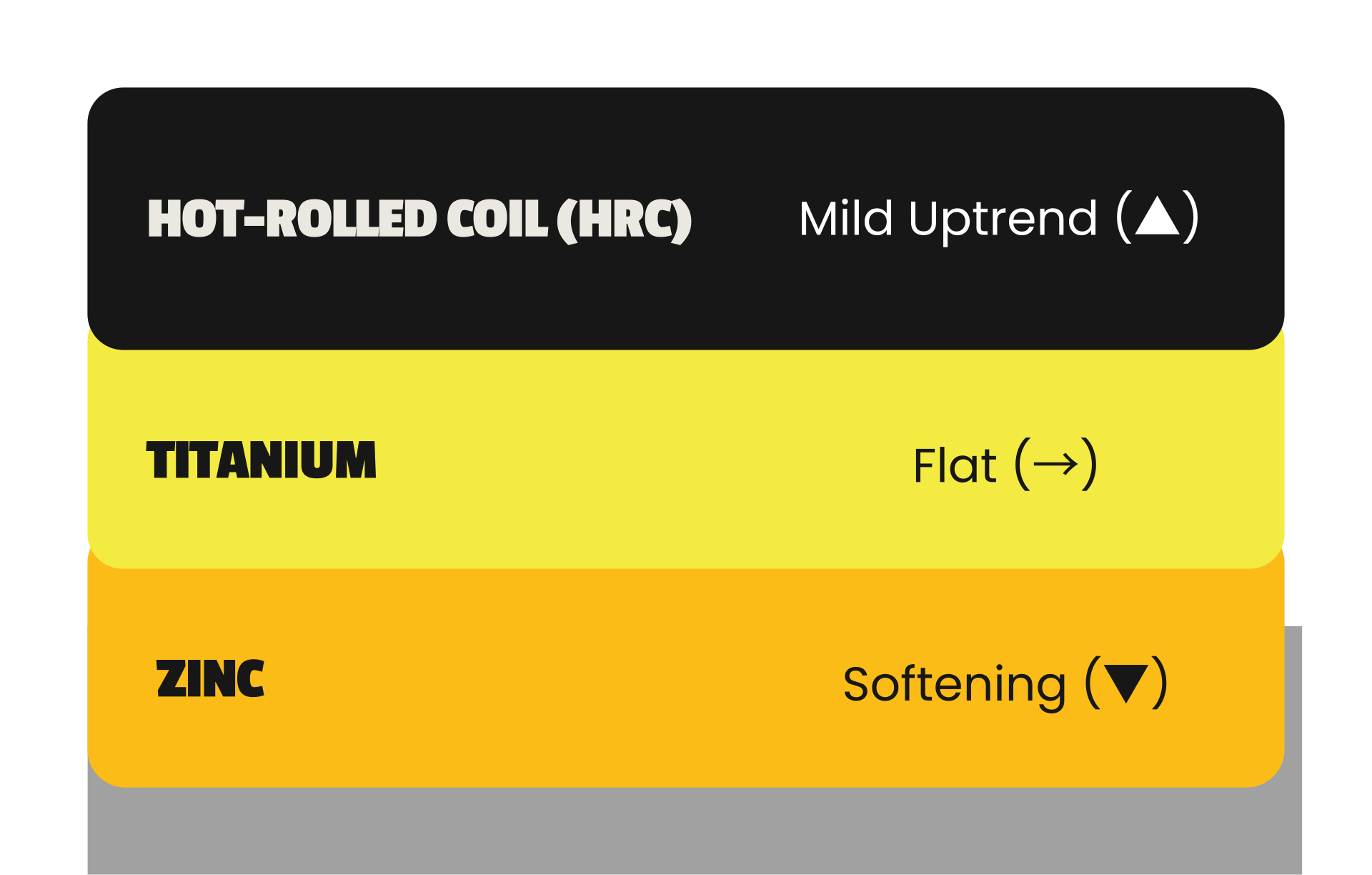
Hot-Rolled Coil (HRC) – Mild Uptrend (▲)
Forecast : Rising raw material and energy costs may support gradual price increases.
Watchlist : Steel demand in construction, iron ore prices, China export policy.
Titanium – Flat (→)
Forecast : Limited market movement expected due to balanced supply and demand.
Watchlist : Aerospace demand, industrial manufacturing activity.
Polyvinyl – Softening (▼)
Forecast : Moderate supply availability and weaker industrial demand may keep zinc prices under pressure in the near term.
Watchlist : Galvanized steel demand, mining output, global manufacturing activity.
Stonehaven Forecast Summary
Overall, the current market trend indicates mixed movement across key construction related materials, with notable increases in bitumen, aluminium, and hot-rolled steel, while copper, nickel, zinc, and platinum show short term corrections. Higher energy prices and increased freight costs continue to place upward pressure on oil-linked and energy intensive materials, particularly bitumen, petrochemicals, and metals commonly used in infrastructure and MEP works.
Recent geopolitical tensions in the Middle East have added further uncertainty to energy and shipping markets, contributing to higher fuel prices, increased insurance costs, and precautionary adjustments to key trade routes. These factors have supported firm pricing for transport dependent and energy sensitive materials across GCC markets.
Although some commodities remain stable, ongoing supply chain constraints, regional security risks, and sustained demand from infrastructure, manufacturing, and energy transition sectors suggest that construction costs are likely to remain firm in the near term, with continued volatility expected rather than any significant price correction.
Commercial Guidance
1. Structural & Steel Packages
-
Key Materials: Steel (LME/SHFE), HRC, CRC, zinc, aluminium
-
Position: Steel benchmarks remain generally stable with minor fluctuations, while aluminium shows upward pressure and zinc softening slightly. HRC increase may influence fabricated steel and metal intensive packages.
-
Action: Avoid blanket escalation across structural packages
2. MEP & Polymer Based Systems
- Key Materials: Polyvinyl (PVC), copper, nickel, lead
- Position: PVC and oil linked polymers show upward momentum, while copper and nickel corrections provide partial cost relief for cable, equipment, and specialist systems. Lead and other metals remain within moderate range.
- Action: Closely monitor polymer linked packages such as piping, insulation, waterproofing, and cable systems. Consider phased procurement for MEP packages with high oil or polymer exposure. No broad cost escalation required but allow targeted allowances.
3. Energy & Logistics Exposure
- Key Materials: Bitumen, fuel linked freight indices, crude oil
- Position: Bitumen and energy linked inputs have increased, while bulk freight indices are trending upward, indicating rising transport and logistics costs despite stable container rates.
- Action: Maintain cautious allowances for infrastructure, external works, and logistics heavy packages. Consider escalation risk for fuel sensitive works, but avoid excessive contingency unless procurement is long-term.
Important Disclaimer
The Stonehaven Cost Index (SCI) is provided for general information only and does not constitute a commitment, guarantee, or offer to contract at any price level. The index is based on publicly available commodity data and internal market assessments as of 06th March 2026.
Actual project costs will depend on project-specific scopes, procurement routes, and commercial negotiations. Stonehaven Project Management Services LLC accepts no liability for any loss arising from reliance on this document without appropriate project-specific advice. The index reflects indicative market movements based on weighted construction inputs and does not represent a forecast, tender price, or contractual valuation.
FAQ's
1. What is the Stonehaven Construction Cost Index and how is it calculated?
The GCC construction cost index measures changes in construction material prices, labour costs, freight rates and currency movements across the UAE and Saudi Arabia. It is calculated using a weighted baseline of key materials such as steel, bitumen, copper and more combined with logistics and FX data.
2. What affects construction material prices in the Middle East?
Several factors influence construction material prices in the Middle East, including global commodity markets, shipping costs, fuel prices and currency movements. Materials like steel, copper and bitumen are particularly sensitive to international demand and logistics conditions, which directly impact construction cost trends in the GCC.
3. How often do construction material prices change?
Construction material prices can change daily depending on global market conditions. Factors such as commodity prices, shipping costs and fuel rates influence short-term movements, which is why tracking weekly construction material price updates is important for sensitive cost planning.
4. How is the Stonehaven Construction Cost Index prepared?
The construction cost index is prepared using weekly data collection across key materials, currencies and freight rates. Cost managers monitor these movements to reflect current conditions. This is then reviewed by the commercial management alongside foreign exchange and logistics trends, which influence construction pricing across the GCC before presenting to our readers.
Talk To Our Team
Speak to our cost management specialists to benchmark, forecast, and protect your project margins, using real data from the Stonehaven Cost Index.