






GLOBALLY TRUSTED
ELECTRICAL TESTING EXPERTS
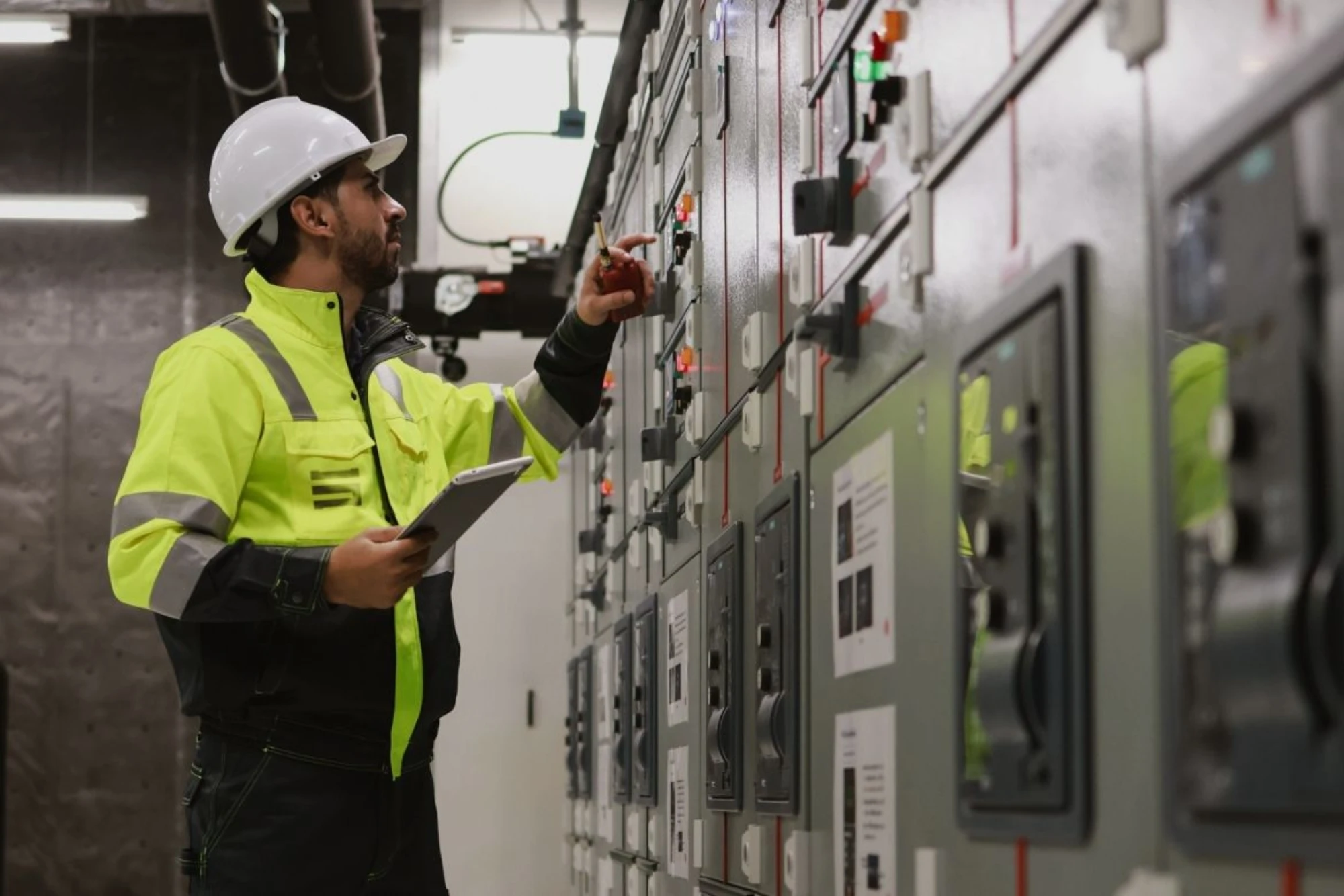
Electrical testing is essential to validating the safety, compliance, and performance of installed electrical systems. At Stonehaven, we deliver certified testing and inspection services for both Low Voltage (LV) and Medium Voltage (MV) networks on construction projects across the Middle East ensuring critical assets are tested, verified, and ready for operational deployment. Our scope includes insulation resistance testing, earth continuity verification, polarity checks, and loop integrity assessments.

Mandatory Testing
We provide detailed test reports and certification in alignment with DEWA, ADDC, and NETA guidelines.


Standards Conformance
We test panel boards, switchgear, and distribution systems for conformance with safety standards.
Why STONEHAVEN
Our Clients
Our Work

EYWA, Business Bay
Discover Stonehaven's successful completion of Eywa in Business Bay, blending modern design with strategic marketing.

Red Sea International Airport, KSA
Appointed as Lead Design Consultant, Stonehaven led the prestigious Red Sea International Airport's Private Jet FBO — our fifth JETEX project to date.




Our Related Services
Frequently Asked Questions
What are the main types of electrical testing used in construction?
+
What are the steps involved in electrical testing on a site?
+
What do C1, C2, and C3 mean in electrical inspection reports?
+
Why is electrical testing important in construction projects?
+
What are the five standard electrical tests carried out on-site?
+
Our Construction Supervision Insights