





GLOBALLY TRUSTED
BIM ENGINEERS
BIM is a collaborative data-rich process that integrates architectural, structural, and MEP information into a coordinated digital representation of a building. At Stonehaven, our Building Information Modelling (BIM) services support the full lifecycle of any built asset, connecting planning, design, construction, and operation through a shared digital environment. A well-structured BIM model consolidates design intent, clash detection, quantity take-offs, and 4D/5D data into a single coordinated source of truth of which Stonehaven provides across UAE, Saudi Arabia, and across the wider Gulf.

Integrated Specialists
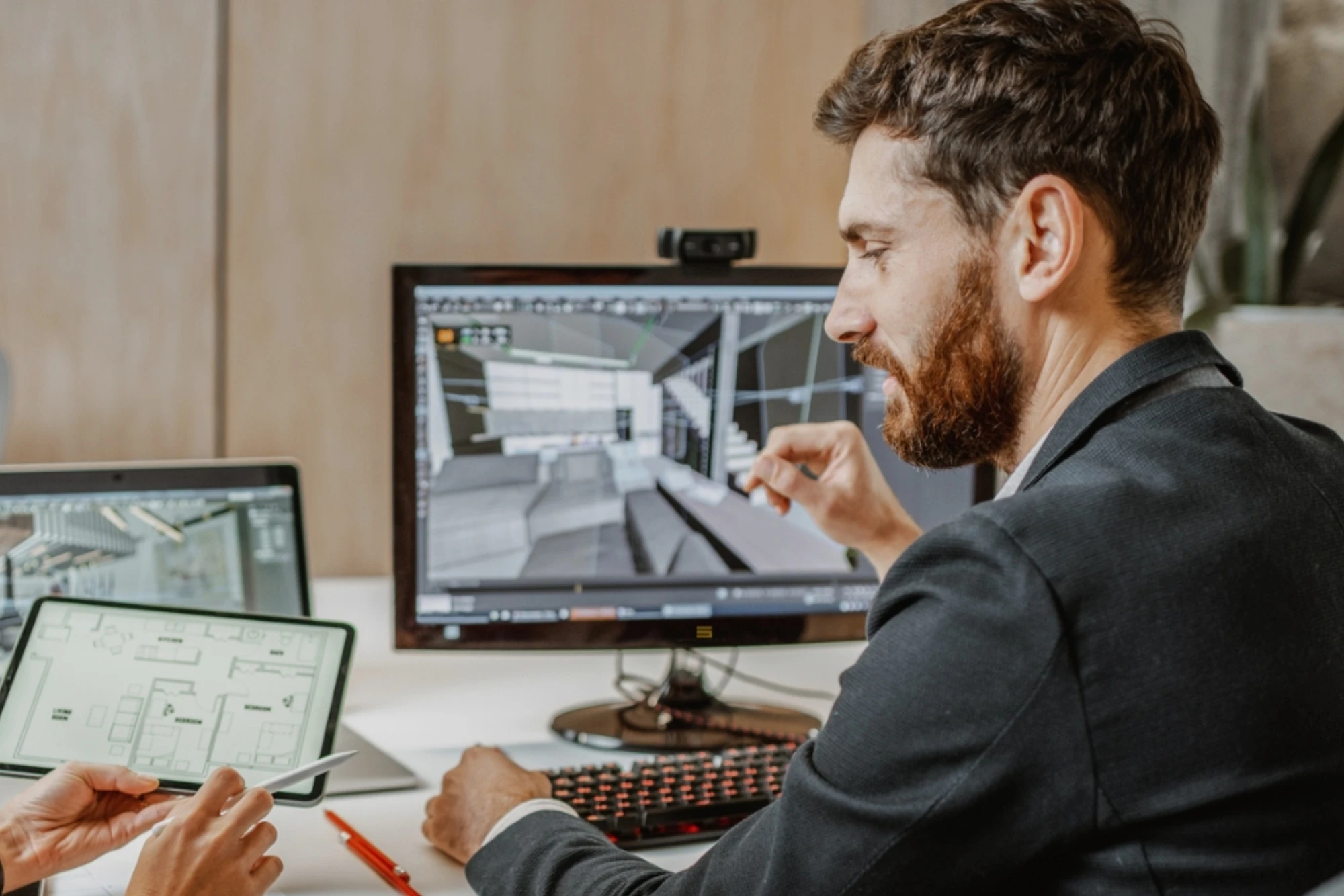
We use tools like Autodesk Revit, BIM 360, and Navisworks to help every project stage.


Multi-disciplinary Models
Whether architectural, MEP, or structural, we build models that are detailed.
Why STONEHAVEN
Our Clients
Our Work

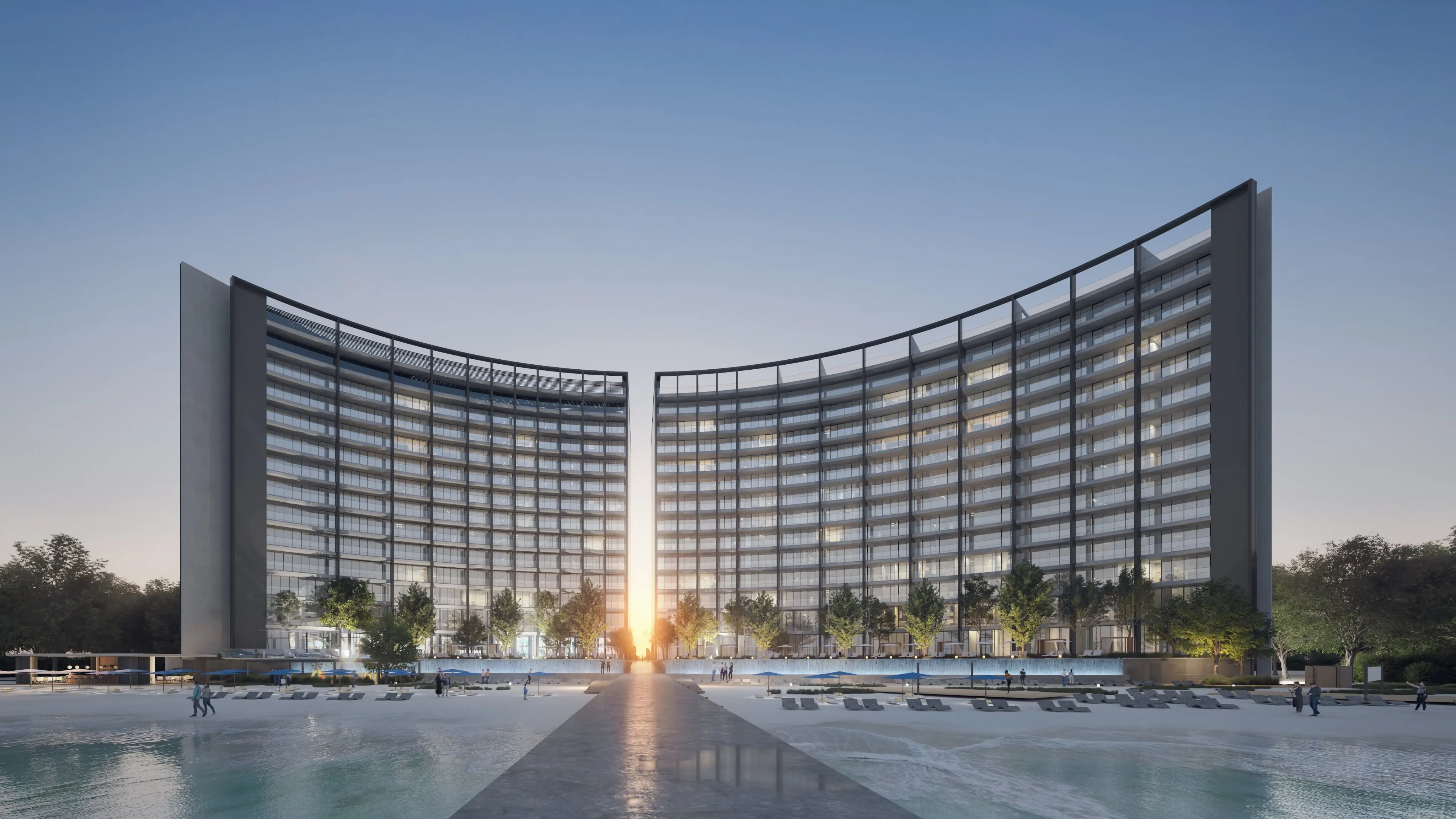
Red Sea International Airport, KSA
Appointed as Lead Design Consultant, Stonehaven led the prestigious Red Sea International Airport's Private Jet FBO — our fifth JETEX project to date.



Our Related Services
Frequently Asked Questions
Who is a BIM Engineer?
+
Is BIM better than CAD?
+
What are the 5 steps of BIM?
+
What do BIM Engineers do?
+
Which BIM software do you use?
+